Introduction
Jewellery manufacturing combines creativity, precision, technical knowledge and carefully selected materials. From designing a beautiful gold ring to producing detailed silver pendants, manufacturers rely on several specialized processes to transform ideas into finished jewellery.
One of the most important materials used in traditional and modern jewellery production is jewellery casting wax.
Jewellery casting wax plays a significant role in the lost wax casting process, which is widely used to manufacture intricate jewellery components. It allows jewellery designers and manufacturers to create detailed patterns that can later be converted into metal castings.
Whether you operate a jewellery workshop, goldsmith business, jewellery design studio or industrial casting facility, understanding the different types of jewellery wax can help improve production planning and pattern quality.
At Jiyal Trading Co., Rajkot, Gujarat, customers can inquire about jewellery wax and other products associated with jewellery manufacturing and industrial applications.
In this guide, we explore jewellery casting wax, its types, benefits, applications, manufacturing processes, maintenance considerations and important factors to consider before purchasing.
1. What Is Jewellery Casting Wax?
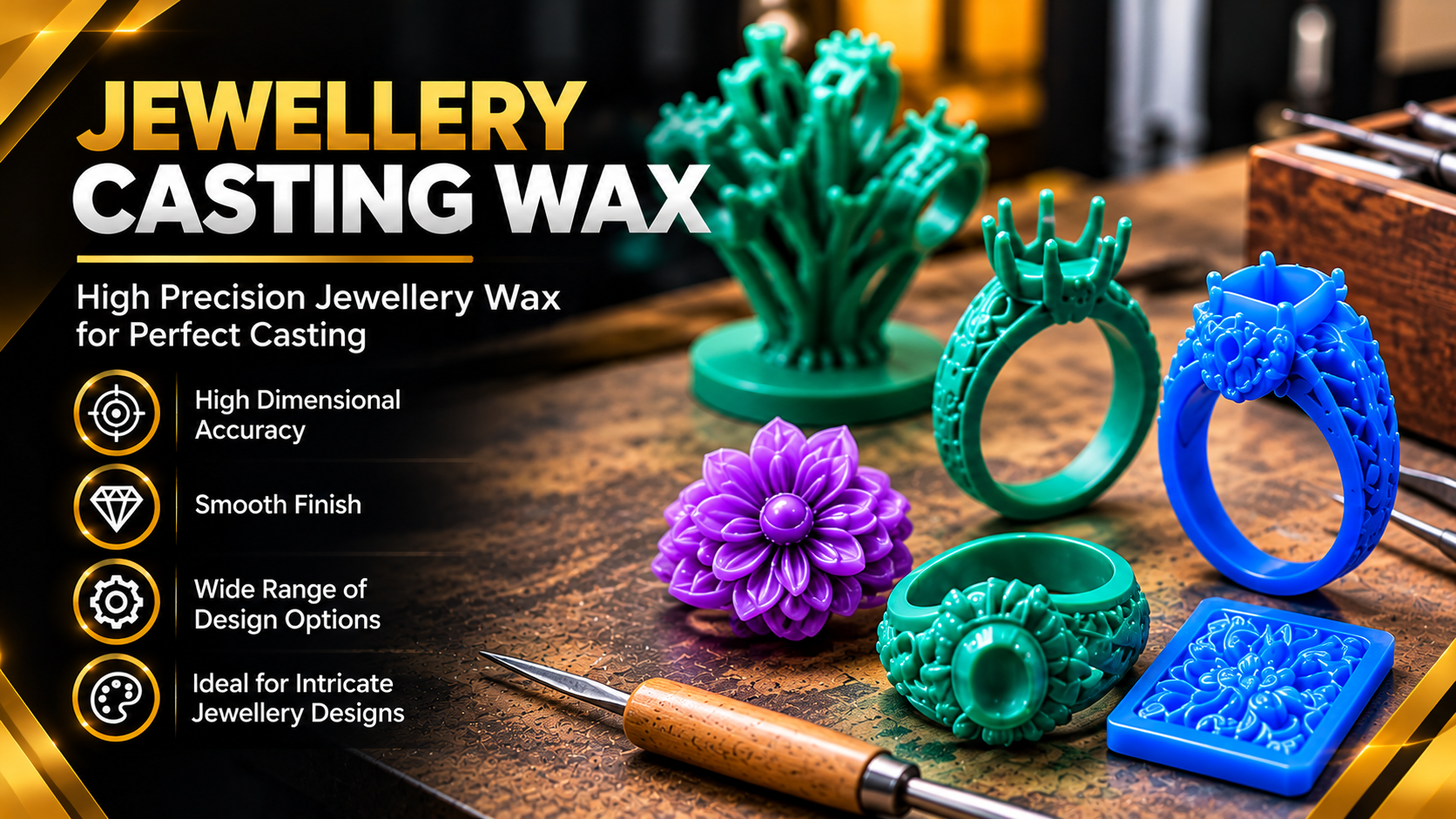
Jewellery casting wax is a specialized material used to create patterns for jewellery casting processes.
These patterns represent the shape and design of the jewellery item that will eventually be produced in metal.
In lost wax casting, the wax pattern is surrounded by a suitable investment material.
After the investment has set, the wax is removed through a controlled burnout process, leaving a cavity corresponding to the original pattern.
Molten metal is then introduced into the prepared mould using appropriate casting equipment.
Once the metal has solidified, the investment is removed and the jewellery component proceeds through finishing operations.
Jewellery casting wax is available in different formulations designed for particular pattern-making methods.
2. Why Is Jewellery Casting Wax Important?
Jewellery casting wax is important because the quality of the original pattern influences the appearance and accuracy of the final casting.
Detailed Pattern Creation
Suitable wax materials allow manufacturers to create intricate shapes and decorative features.
Design Flexibility
Wax patterns can be developed for different jewellery styles and manufacturing requirements.
Compatibility With Casting Processes
Specialized casting waxes are designed for use in appropriate investment casting systems.
Production Repeatability
Wax injection processes can support the production of repeated patterns when suitable moulds and process controls are used.
Support for Complex Designs
Lost wax casting allows manufacturers to produce shapes that may be difficult to create using certain traditional fabrication methods.
However, the final casting quality also depends on investment materials, burnout conditions, casting parameters and metal properties.
3. Different Types of Jewellery Casting Wax
Jewellery wax products are available in several types, each developed for particular applications.
Jewellery Injection Wax
Injection wax is designed for use in suitable wax injection equipment.
It is commonly used to produce patterns from compatible rubber or silicone moulds.
Injection wax formulations vary in melting behaviour, flexibility, shrinkage and handling characteristics.
Jewellery Carving Wax
Carving wax is used by jewellery designers and model makers to create patterns through cutting, shaping and carving.
It is available in different hardness grades and forms.
Jewellery Wax Blocks
Wax blocks provide material for producing custom patterns.
Designers may cut or carve them into the required shape.
Jewellery Wax Tubes
Wax tubes are commonly used for creating ring patterns and related jewellery designs.
They are available in different dimensions and profiles.
Sheet Wax
Sheet wax is supplied in relatively thin sections and can be useful for selected pattern-making and decorative applications.
Flexible Jewellery Wax
Some wax formulations provide greater flexibility for particular design and handling requirements.
The best wax depends on the intended production method and pattern characteristics.
4. How Does the Lost Wax Jewellery Casting Process Work?
Lost wax casting is a manufacturing process that uses a temporary pattern to create a mould cavity.
The exact procedure varies according to equipment, materials and production requirements.
Step 1: Jewellery Design
The process begins with a jewellery design.
The design may be developed manually or through computer-aided design software.
Step 2: Wax Pattern Preparation
A wax pattern is created through carving, injection or another suitable method.
Step 3: Pattern Assembly
Depending on the casting system, multiple wax patterns may be connected to a sprue arrangement.
Step 4: Investment Preparation
The wax assembly is surrounded by an appropriate investment material.
Step 5: Controlled Burnout
The investment mould is processed using a manufacturer-specified burnout schedule to remove the wax and prepare the cavity.
Step 6: Metal Casting
Compatible molten metal is introduced into the mould using suitable casting equipment.
Step 7: Cooling and Investment Removal
After the required solidification and cooling stages, the casting is removed according to the process instructions.
Step 8: Jewellery Finishing
The cast jewellery proceeds through cleaning, inspection, surface finishing and polishing.
Each stage requires appropriate equipment, process control and safety precautions.
5. Major Benefits of Jewellery Casting Wax
Selecting suitable jewellery wax can offer several manufacturing advantages.
Accurate Pattern Formation
Appropriate wax formulations can help produce patterns with the required shape and detail.
Design Versatility
Jewellery wax supports many decorative and structural design concepts.
Suitability for Different Production Methods
Manufacturers can choose between carving wax, injection wax and other specialized materials.
Repeatable Manufacturing
Suitable wax injection systems can produce multiple patterns from a properly prepared mould.
Support for Fine Details
Specialized wax formulations may reproduce intricate design features.
Practical Pattern Handling
Different wax grades offer different combinations of hardness, flexibility and handling characteristics.
Actual performance depends on material formulation and processing conditions.
6. Applications of Jewellery Casting Wax
Jewellery casting wax is used in several manufacturing activities.
Gold Ring Manufacturing
Wax patterns can be used to create gold rings with different shapes and decorative details.
Silver Jewellery Casting
Suitable wax materials are used in silver jewellery pattern-making and casting processes.
Pendant Manufacturing
Jewellery designers use wax patterns to develop pendants with intricate designs.
Earring Production
Lost wax casting can support the manufacture of compatible earring components.
Bracelet and Bangle Manufacturing
Wax patterns may be used for selected bracelet and bangle designs.
Custom Jewellery Design
Wax carving allows designers to develop customized jewellery models.
Jewellery Production Workshops
Manufacturers use wax materials for both individual designs and repeat production requirements.
7. How to Choose the Right Jewellery Casting Wax
Selecting suitable wax requires careful consideration of the manufacturing process.
Pattern-Making Method
Determine whether the wax will be used for injection, carving or another process.
Wax Hardness
Different hardness grades provide different carving and handling characteristics.
Flexibility
Some patterns require materials that can tolerate limited bending or handling without damage.
Melting and Flow Characteristics
Injection wax should be compatible with the temperature and pressure requirements of the equipment.
Shrinkage Behaviour
Wax shrinkage can influence pattern dimensions and production accuracy.
Detail Reproduction
Choose a formulation capable of producing the required level of pattern detail.
Burnout Compatibility
Verify that the wax is appropriate for the investment material and burnout process.
Supplier Information
Review the available specifications and handling recommendations before purchasing.
8. Jewellery Injection Wax vs Carving Wax
Injection wax and carving wax are designed for different manufacturing methods.
Injection Wax
Injection wax is intended for use in suitable mould-based pattern production.
It is selected according to flow behaviour, solidification characteristics and pattern requirements.
Carving Wax
Carving wax is designed to be shaped using appropriate carving tools and techniques.
It is useful for custom pattern development and model making.
Which Is Better?
Neither material is universally better.
Injection wax may be suitable for repeat pattern production, while carving wax may be preferable for manually developed designs.
The choice depends on production volume, design complexity, equipment and operator requirements.
9. Important Properties of High-Quality Jewellery Wax
Different jewellery wax formulations have different technical characteristics.
Important properties include dimensional stability, hardness, flexibility, flow behaviour and burnout characteristics.
Dimensional Stability
The wax should maintain suitable pattern dimensions under recommended storage and processing conditions.
Surface Quality
Appropriate wax can support smooth pattern surfaces.
Detail Reproduction
Specialized waxes may capture fine features when used with compatible moulds.
Handling Strength
The material should have suitable strength for its intended pattern-making method.
Processing Compatibility
The wax must be compatible with the equipment and production conditions.
Buyers should compare product specifications rather than relying only on appearance or colour.
10. Common Mistakes When Using Jewellery Casting Wax
Incorrect wax selection or processing can lead to pattern defects and unnecessary production waste.
One common mistake is using carving wax in an application requiring injection wax.
Another is operating wax injection equipment outside the material’s recommended temperature range.
Poor storage conditions may also affect pattern quality.
Excessive handling can deform delicate wax patterns.
Manufacturers should avoid mixing different wax formulations without confirming compatibility.
Using unsuitable investment or burnout conditions may contribute to casting defects.
A controlled manufacturing process helps reduce these problems.
11. How to Store Jewellery Casting Wax
Proper storage helps maintain the material’s intended properties.
Control Storage Temperature
Follow the manufacturer’s recommended temperature range.
Avoid Direct Sunlight
Excessive heat may soften or deform certain wax products.
Prevent Contamination
Keep wax away from dust, dirt and incompatible substances.
Use Suitable Packaging
Store materials in clean, appropriate containers or original packaging.
Maintain Product Identification
Label wax types and batches to prevent accidental mixing.
Follow Shelf-Life Guidance
Where provided, follow the manufacturer’s shelf-life and storage recommendations.
These practices help support consistent pattern-making operations.
12. Jewellery Wax and Modern Manufacturing Technology
Jewellery manufacturing increasingly combines traditional craftsmanship with digital design and specialized production equipment.
Computer-aided design allows jewellery manufacturers to develop detailed digital models.
These models may be converted into physical patterns using suitable manufacturing technologies.
Wax injection continues to be used for repeat production, while carving remains valuable for custom design and traditional model-making.
Different workflows can be combined according to production requirements.
Regardless of the technology used, pattern accuracy remains important for achieving suitable casting results.
Manufacturers should select materials that match their equipment, production method and quality requirements.
13. Factors Affecting Jewellery Casting Wax Price
Jewellery wax prices vary depending on material formulation, product type and supplier arrangements.
Important factors include:
- Wax type
- Material composition
- Hardness grade
- Melting characteristics
- Packaging quantity
- Product dimensions
- Manufacturing specifications
- Brand
- Order volume
- Supplier and delivery arrangements
Buyers should consider material performance and process compatibility rather than choosing only the lowest-priced product.
Poor material selection may increase rework, pattern rejection and production waste.
14. Safety Precautions for Jewellery Wax Processing
Jewellery wax processing requires appropriate safety practices.
Heating equipment should be operated according to manufacturer instructions.
Hot wax can cause burns, and overheated wax may produce harmful fumes or create fire hazards.
Work areas should have appropriate ventilation.
Operators should use suitable protective equipment and handling tools.
Wax burnout must be performed in equipment designed for the process and under a suitable controlled procedure.
Manufacturers should follow relevant safety data sheets and workplace safety requirements.
Equipment should be inspected and maintained regularly.
Safe processing practices are essential for protecting personnel and maintaining reliable operations.
15. Supporting Equipment Used in Jewellery Casting
Jewellery casting wax is one component of a larger manufacturing process.
Other materials and equipment may include:
Wax Injection Machines
Used to produce wax patterns from suitable moulds.
Investment Casting Materials
Used to create moulds around wax patterns.
Burnout Furnaces
Used to remove wax and prepare investment moulds under controlled conditions.
Gold Melting Machines
Used to melt compatible precious metals for manufacturing operations.
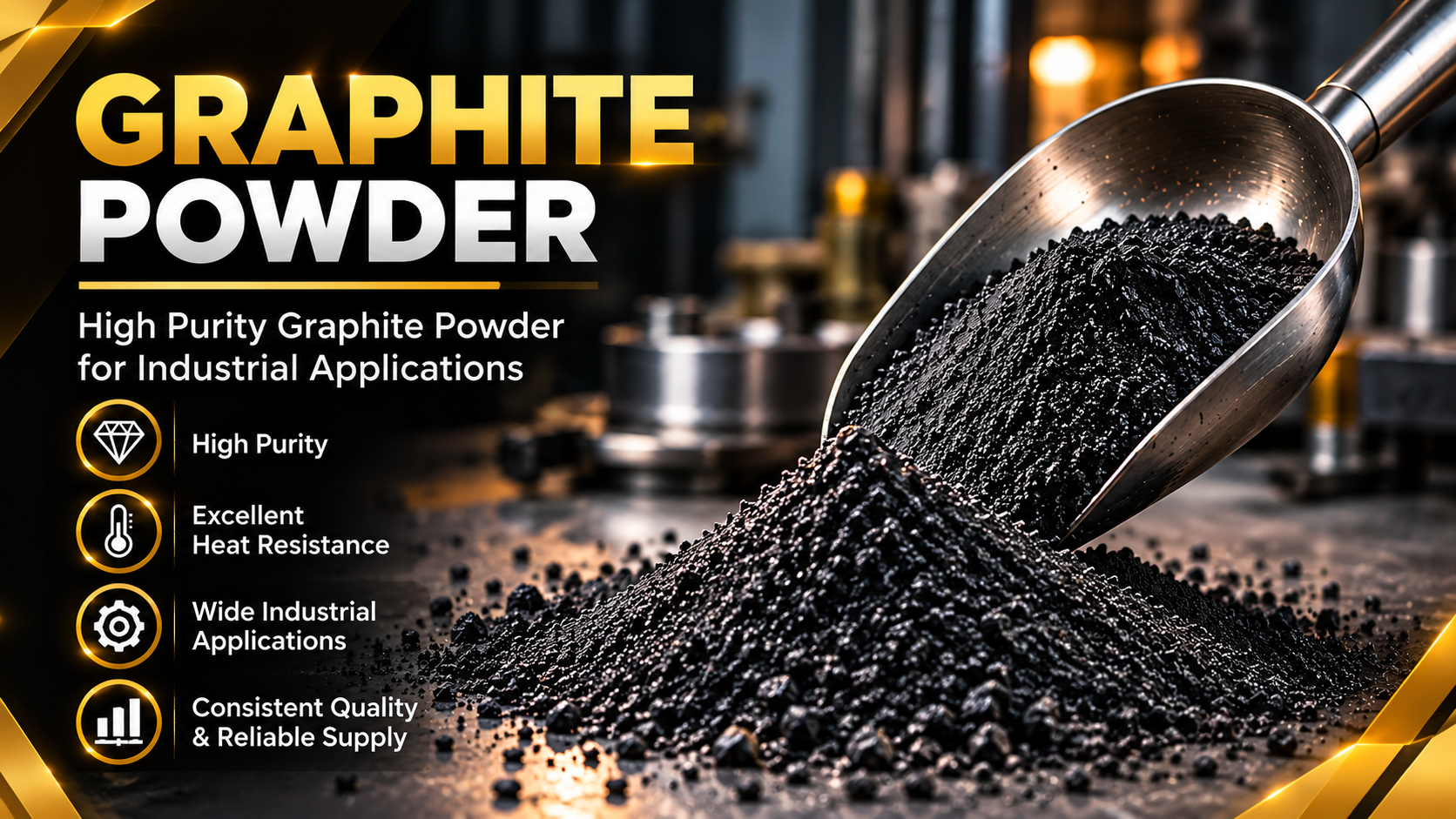
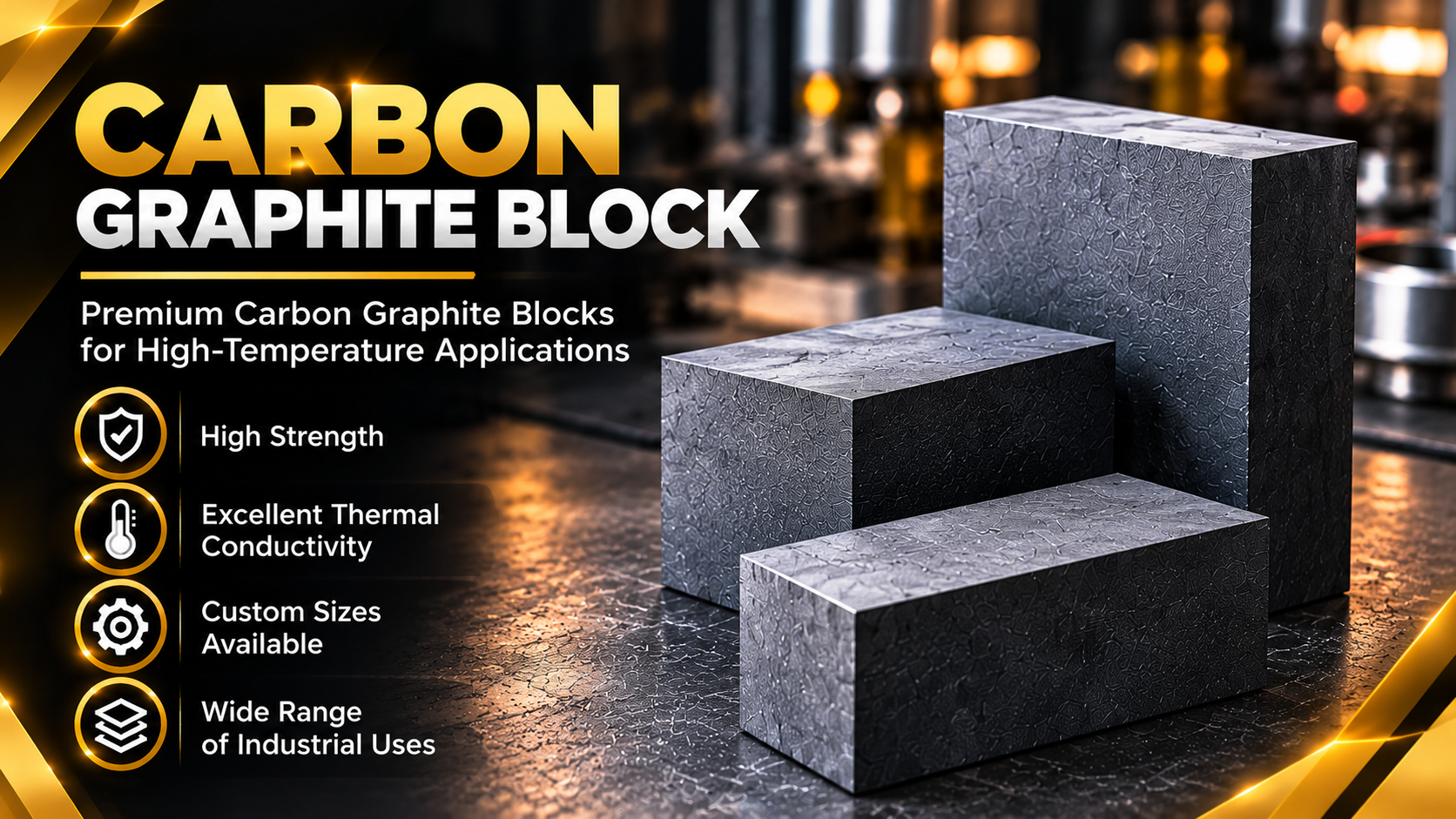
Graphite Crucibles
Used in suitable metal melting applications.
Jewellery Polishing Machines
Used for finishing compatible jewellery surfaces after casting.
The correct combination of materials and equipment depends on the production method.
16. Why Consider Jiyal Trading Co.?
Jiyal Trading Co. is located in Rajkot, Gujarat, India.
The company offers products associated with jewellery manufacturing and industrial applications.
Its product range includes jewellery wax, graphite crucibles, gold melting equipment, jewellery polishing machines and other industrial products.
Customers seeking jewellery wax can contact Jiyal Trading Co. to discuss available products, specifications, quantities and ordering requirements.
Before purchasing, customers should confirm the material type and compatibility with their intended production process.
17. Frequently Asked Questions About Jewellery Casting Wax
Q1. What is jewellery casting wax?
Jewellery casting wax is a specialized material used to create patterns for jewellery investment casting.
Q2. What is lost wax casting?
Lost wax casting is a process in which a temporary pattern is removed from an investment mould to create a cavity for metal casting.
Q3. Which wax is best for jewellery casting?
The appropriate wax depends on the pattern-making method, design requirements and manufacturing equipment.
Q4. What is the difference between injection wax and carving wax?
Injection wax is designed for suitable mould-based pattern production, while carving wax is intended for shaping and model making.
Q5. Can jewellery wax be used for gold and silver casting?
Suitable wax patterns can be used in investment casting processes involving gold, silver and compatible alloys.
Q6. How should jewellery wax be stored?
Jewellery wax should be stored according to manufacturer recommendations, generally away from excessive heat, sunlight and contamination.
Q7. Does jewellery wax colour indicate its quality?
Not necessarily. Colours may help distinguish formulations, but technical specifications are more important for material selection.
Q8. Where can I inquire about jewellery casting wax in Gujarat?
Customers can contact Jiyal Trading Co., Rajkot, Gujarat, to inquire about available jewellery wax products.
Conclusion
Jewellery casting wax is an essential material in many traditional and modern jewellery manufacturing processes.
From gold rings and silver pendants to detailed decorative components, suitable wax patterns help manufacturers translate designs into cast metal products.
Choosing the right wax requires consideration of pattern-making methods, hardness, flexibility, dimensional stability, processing requirements and supplier information.
Correct storage, handling and process control are also important for maintaining pattern quality.
Jiyal Trading Co. offers jewellery manufacturing materials and related industrial products for customers with different production requirements.
For product details, availability and quotations, visit:
Website: https://rituindustriesrajkot.com
Company: Jiyal Trading Co.
Location: Rajkot, Gujarat, India.
Contact Jiyal Trading Co. to discuss your jewellery casting wax and manufacturing material requirements.